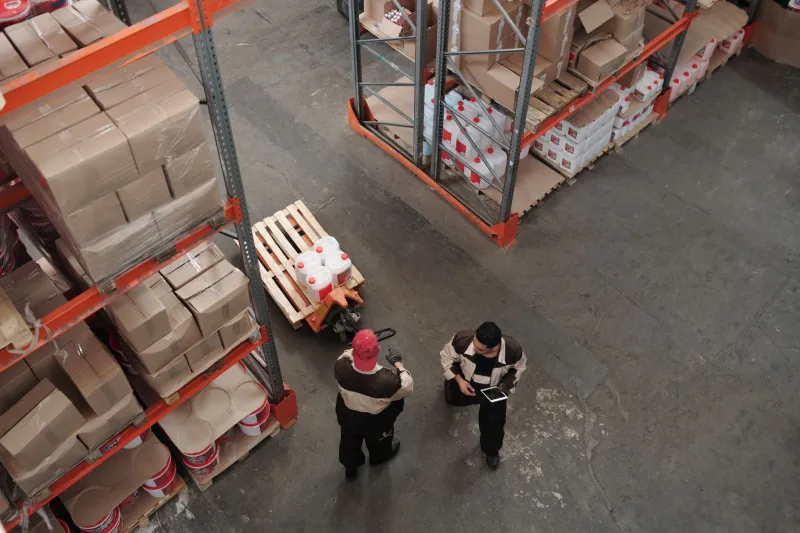
Peak Season, Steady Operation: A Practical Shrink Wrap Planning Guide for Industrial Volume Surges
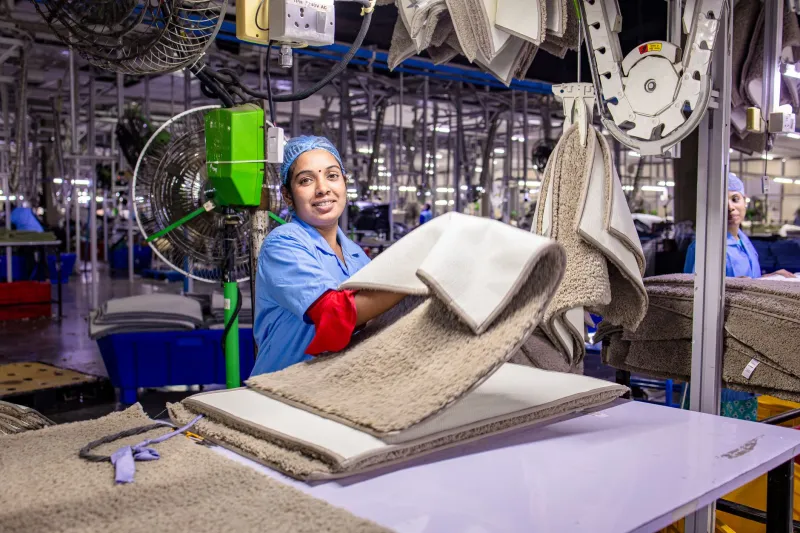
For many US industrial businesses, the calendar is not a steady progression of uniform workdays. It is a cycle of relative calm punctuated by periods of intense, compressing demand—holiday fulfillment, back-to-school retail preparation, agricultural harvest windows, construction season ramp-ups. During these surges, the packaging function moves from a background operational concern to a front-line constraint.
Shrink wrap operations that perform adequately at baseline volume can become a critical bottleneck when throughput doubles or triples in a compressed timeframe. The businesses that navigate peak seasons without significant disruption are rarely those with the largest permanent infrastructure investment. More often, they are the ones that planned methodically, made targeted temporary adjustments, and avoided the two most common failure modes: over-committing to permanent solutions that become costly overhead in off-peak months, and under-preparing in ways that force expensive, reactive decisions under pressure.
This guide offers a structured approach to peak season packaging planning, with particular attention to material procurement, equipment capacity, labor coordination, and facility optimization.
Establish Your Baseline Before You Plan for the Peak
Effective peak planning begins with a clear understanding of your current operational parameters at normal volume. If you do not have reliable data on your standard throughput rates, material consumption per unit, equipment utilization, and labor hours per packaging cycle, you cannot make accurate projections about what a 50 or 150 percent volume increase will actually require.
Before peak season planning begins, gather at minimum the following data points from the previous twelve months: average daily packaging output by product line, film consumption rates by SKU and gauge, equipment downtime incidents and their causes, and labor hours allocated to packaging by shift. This baseline gives you a foundation for scaling calculations and helps you identify existing inefficiencies that will be amplified under surge conditions.
A packaging operation that runs at 85 percent equipment utilization during normal volume will not absorb a significant demand spike without intervention. Identifying that constraint in advance—rather than discovering it when orders are backing up—is the core value of this planning exercise.
Material Procurement: The Inventory Timing Problem
Shrink wrap film is a consumable with lead times, minimum order quantities, and storage requirements that complicate just-in-time procurement during peak demand. Suppliers serving industrial customers face the same seasonal pressures their clients do, and lead times on popular gauges and formulations often extend during the periods when demand is highest.
Peak season material planning should begin no later than eight to ten weeks before anticipated volume increases. Work with your primary supplier to project consumption based on your volume forecast and establish a procurement schedule that builds a modest buffer inventory without creating excessive carrying costs or storage constraints.
Specifically, consider the following when planning material inventory for peak season:
Gauge and formulation consistency. Switching film specifications mid-surge to accommodate supply gaps creates application problems, equipment recalibration requirements, and quality inconsistencies. Locking in your specifications and securing committed supply before peak season begins reduces this risk substantially.
Storage capacity. Film rolls require dry, climate-stable storage. If your facility has limited storage space, coordinate with your supplier on phased delivery schedules that align with your projected consumption rate rather than accepting a single large shipment that strains your storage environment.
Secondary supplier relationships. Maintaining a qualified secondary supplier relationship—even if you do not regularly use it—provides a critical fallback if your primary source encounters supply constraints during your peak window. Qualifying a secondary supplier during off-peak months is far less disruptive than attempting to do so under time pressure.
Equipment Capacity: Permanent Investment Versus Temporary Solutions
The equipment question is where many industrial managers face the most difficult trade-off. A permanent second heat tunnel or additional stretch wrap system represents a meaningful capital investment that may sit underutilized for eight or nine months of the year. Renting or leasing equipment for a defined peak window is often the more financially defensible approach, but it requires advance planning to secure availability.
Rental equipment for industrial packaging applications—L-bar sealers, heat tunnels, pallet wrap systems—is available through equipment distributors and specialty rental providers, but lead times during high-demand periods can be significant. Reserving rental equipment four to six weeks before your anticipated peak window is a reasonable minimum; earlier is better.
Beyond equipment quantity, consider equipment condition and calibration. Existing equipment running at high utilization for an extended peak period will experience accelerated wear. Scheduling preventive maintenance immediately before peak season—not during it—reduces the risk of mid-surge downtime. Ensure that heat tunnel temperature profiles and seal bar pressures are calibrated to your peak-season film specifications, and that spare parts for high-wear components are on hand.
Labor Coordination: The Often-Overlooked Constraint
Equipment and material planning frequently receive more attention than labor planning, yet labor constraints are among the most common causes of packaging bottlenecks during peak periods. Operating additional equipment shifts or extended hours requires qualified operators, and the skills required to run shrink wrap equipment correctly are not universally available in a general temporary labor pool.
If your peak season plan includes temporary labor, build in training time before volume peaks. An operator who is learning equipment during a surge creates quality risk and slows throughput. Identify your core group of experienced packaging operators and plan your peak schedule around their availability, using temporary labor for material handling, staging, and support functions rather than primary equipment operation where possible.
Cross-training employees from adjacent functions—shipping, receiving, general warehouse—to support packaging operations during peak periods is a practical way to build surge capacity without relying entirely on external hiring. This cross-training should occur during normal-volume periods, not as a reactive measure when demand has already arrived.
Temporary Facility Optimization
Peak season packaging operations often require temporary reconfiguration of floor space, workflow paths, and staging areas. Planning these changes in advance—and communicating them clearly to all affected teams—prevents the operational friction that comes from improvised rearrangements under time pressure.
Consider whether your current packaging line layout allows for efficient material flow at higher throughput rates. Bottlenecks that are manageable at normal volume become significant constraints when throughput increases. Walk your packaging workflow from material staging through finished product dispatch and identify points where flow could be impeded under surge conditions. Address those points before they become problems.
Build the Plan, Then Test It
The most reliable way to validate a peak season packaging plan is to run a structured simulation at elevated throughput before actual peak demand arrives. This need not be a full-scale test; a half-day exercise at projected peak volume levels will surface equipment, material, and labor constraints that exist in theory but are not visible until the operation is actually running under pressure.
Document the results of this simulation and use them to refine your plan. The goal is to arrive at peak season with a validated operational model rather than an untested assumption.