Building a Shrink Wrap Paper Trail That Holds Its Ground When Disputes Arise
In industrial operations, disputes rarely announce themselves in advance. A customer files a damage claim. A carrier contests liability. A retailer rejects a shipment and demands reimbursement for losses. In each of these scenarios, the outcome frequently hinges not on what actually happened at the packaging station, but on what can be proven to have happened — and when.
For operations that rely on shrink wrap as a primary protection method, the gap between what was done and what was recorded can be the difference between absorbing a significant financial loss and successfully defending your position. Building a reliable documentation system is not a bureaucratic exercise. It is a practical risk management tool that every industrial manager should treat as essential infrastructure.
Why Shrink Wrap Disputes Are More Common Than Most Operations Expect
Shrink wrap sits at a unique intersection in the supply chain. It is the last line of physical protection before goods leave your facility, and the first thing inspected when damage is discovered at the destination. That position makes it a natural focal point whenever something goes wrong in transit or storage.
Common dispute triggers include moisture infiltration during transit, product shifting or crushing under load, contamination claims, and film failure that allows tampering allegations to surface. In many of these cases, the packaging operation itself performed correctly — but without documentation to support that conclusion, the burden of proof falls heavily on the shipper.
US courts and arbitration panels handling commercial freight disputes routinely look for contemporaneous records: evidence created at the time of the event, not reconstructed afterward. A well-maintained audit trail speaks to that standard directly.
The Four Pillars of a Defensible Shrink Wrap Documentation System
1. Material Specification Records
Every roll of shrink film used in your operation should be traceable to a purchase order, a supplier specification sheet, and a receiving inspection log. These records establish that the material applied to your product met the performance requirements appropriate for the application.
At minimum, your material records should capture: film gauge (measured in gauge or mil), resin type (polyolefin, PVC, polyethylene, or other), shrink ratio, tensile strength ratings, and the lot or batch number assigned by the manufacturer. When a customer alleges that your wrap was inadequate for the conditions, a complete specification file is your first line of defense.
Retain supplier documentation for at least three years, or longer if your industry or contracts require it. Store physical copies and digital backups in separate locations.
2. Application Procedure Logs
Material quality means little if application procedures are inconsistent. Your documentation system should include a written standard operating procedure (SOP) for each packaging configuration your operation runs — whether that is hand-wrapping individual pallets, running product through a heat tunnel, or applying bundling film on an automated line.
Equally important are the daily logs that confirm those procedures were followed. These should record: equipment settings (seal bar temperature, conveyor speed, tunnel temperature zones), operator identification, shift date and time, and any deviations from standard procedure with a notation of the corrective action taken.
In real-world disputes, application logs have proven decisive. In one documented case involving a food distribution operation, a retailer claimed that palletized product arrived with compromised film, suggesting improper application. The distributor's shift logs — which recorded seal bar calibration checks performed twice daily — demonstrated that equipment was functioning within specification at the time of packaging. The claim was ultimately resolved in the distributor's favor.
3. Condition-at-Shipment Records
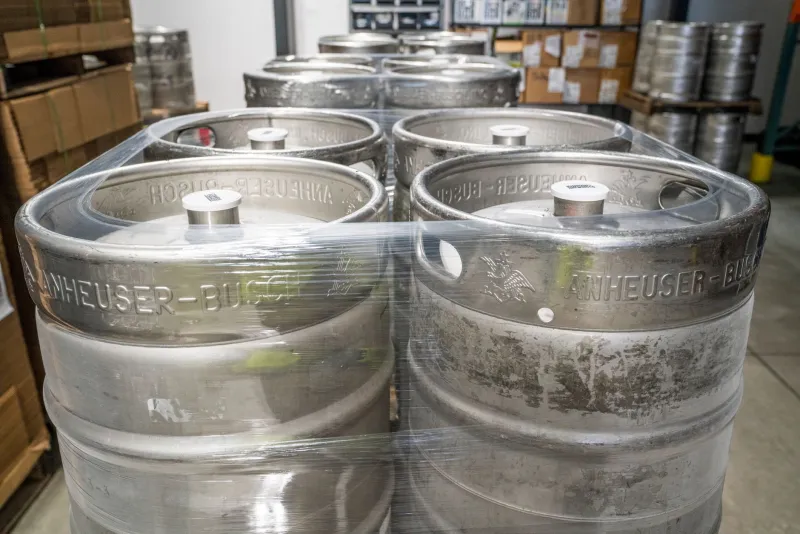
Photographic documentation is among the most persuasive forms of evidence available to industrial operations. A timestamped photograph of completed packaging, taken before goods leave your dock, establishes the condition of the wrap at the point of handoff. This single practice has resolved countless freight damage disputes by demonstrating that film was intact and properly applied when the carrier accepted the shipment.
Your condition-at-shipment records should include: photographs of completed pallets or bundles from multiple angles, a notation of the ambient temperature and humidity at the time of packaging (particularly relevant for cold chain or climate-sensitive products), and the name of the individual who performed the final inspection.
Link these records to the corresponding bill of lading or shipment reference number so they can be retrieved quickly when a claim is filed.
4. Chain of Custody Documentation
A packaging audit trail that ends at your dock is incomplete. Effective documentation follows the shipment through every handoff point: from your facility to the carrier, from the carrier to any intermediate warehouses, and from there to the final destination.
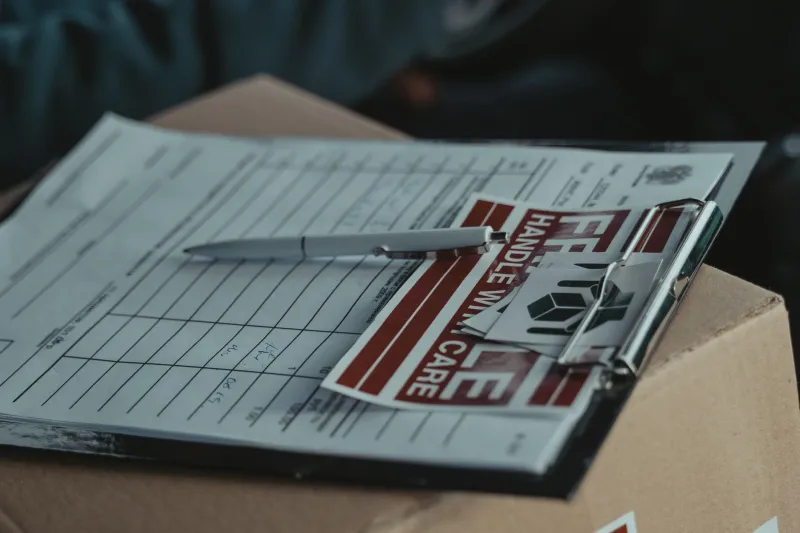
Request and retain signed delivery receipts, carrier inspection reports, and any exception notations made at intermediate stops. When damage is discovered, this chain of custody documentation allows you to identify precisely where in the transit sequence the condition changed — which may shift liability entirely to another party.
Organizing Your Records for Rapid Retrieval
A documentation system is only as useful as your ability to access it under pressure. When a dispute arises, you will not have weeks to reconstruct a filing system. Structure your records so that any shipment can be fully documented within 24 hours of a claim being filed.
Consider organizing records by shipment date and customer, with subfolders or binder sections for material specs, application logs, condition photos, and chain of custody documents. Many operations find that a simple shared drive with a consistent naming convention outperforms elaborate software solutions for day-to-day accessibility.
Assign a designated records custodian — a specific individual responsible for ensuring that documentation is complete, filed promptly, and retained according to your policy. Without clear ownership, documentation systems degrade over time.
A Practical Starting Point: The Minimum Viable Audit Trail
For operations that currently maintain little formal documentation, the prospect of building a comprehensive system can feel daunting. A practical approach is to begin with the minimum viable audit trail and expand from there.
Start with three commitments: photograph every completed shipment before it leaves the dock, retain supplier specification sheets for all film currently in use, and log equipment settings at the start of each shift. These three practices alone will materially strengthen your position in the majority of packaging-related disputes.
From that foundation, add application SOPs, receiving inspection logs, and chain of custody procedures as your capacity allows. The goal is a system that grows progressively more complete without overwhelming your operation in the short term.
The Broader Operational Value of Documentation
Beyond dispute resolution, a robust shrink wrap audit trail generates operational intelligence that most facilities are currently leaving on the table. Reviewing application logs over time reveals patterns in equipment performance degradation. Material records highlight specification drift from suppliers. Condition-at-shipment photos, reviewed in aggregate, surface recurring application inconsistencies that training can address.
The same system that protects you in a legal or commercial dispute also functions as a continuous improvement tool — one that pays dividends whether or not a claim is ever filed.
For industrial managers, the message is straightforward: the cost of building and maintaining a shrink wrap documentation system is modest. The cost of facing a significant dispute without one is not.