Shrink Wrap as a Supply Chain Asset: The Operational Advantages Most Businesses Are Overlooking
There is a persistent tendency in US manufacturing and distribution to treat shrink wrap as packaging cosmetics—a final layer applied primarily for appearance before a product leaves the facility. This view is understandable. Shrink wrap does make products look clean and professional. But reducing it to an aesthetic function misses the majority of its operational value.
In practice, shrink wrap functions as a logistics infrastructure decision. The choice to wrap—and how to wrap—affects damage rates, warehouse throughput, traceability, and regulatory compliance in ways that accumulate into significant competitive advantage or, for those who get it wrong, significant operational drag.
Damage Claims: The Most Measurable Benefit
The clearest financial case for strategic shrink wrapping is its impact on freight damage claims. According to data consistently cited in US logistics industry reporting, product damage during transit and handling is one of the largest controllable cost centers in distribution operations. Shrink wrap addresses this problem at multiple points in the supply chain.
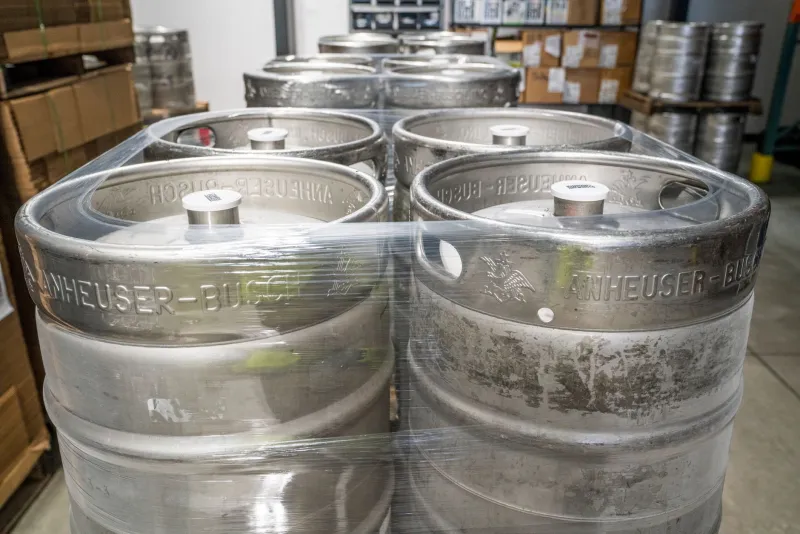
First, it creates a unified load. Individual components or units that might shift, separate, or abrade against each other during transport are consolidated into a single stable package. A pallet of automotive components wrapped with an appropriate industrial film arrives as a coherent unit rather than a loose collection of parts that have spent twelve hours in a trailer jostling against each other.
Second, properly applied shrink wrap provides a moisture barrier. For electronics manufacturers in particular—a sector where even minor moisture ingress can render a product defective—this protection has direct warranty cost implications. A Southeast-based electronics distributor we are familiar with reported a measurable reduction in moisture-related warranty claims after standardizing on a higher-barrier film specification for shipments destined for humid Gulf Coast markets.
Third, shrink wrap provides tamper evidence. A sealed, heat-shrunk package that has been opened or compromised is visually obvious in a way that a taped box is not. For pharmaceutical distributors and food processors operating under FDA oversight, this is not a minor benefit—it is a compliance requirement that shrink wrapping satisfies efficiently.
Warehouse Organization: An Underappreciated Efficiency Driver
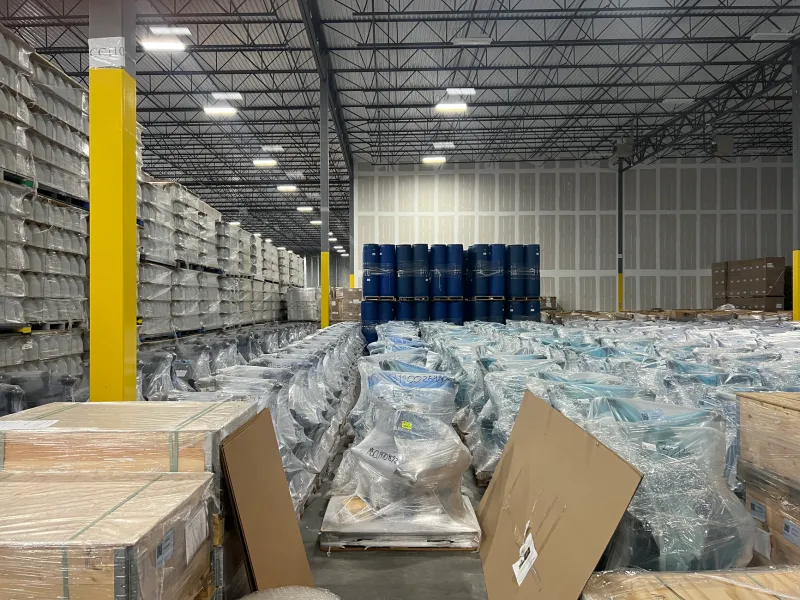
Anyone who has managed a large distribution center knows that warehouse organization is not a static achievement. It degrades continuously under the pressure of receiving, picking, replenishment, and outbound processing. Shrink wrap helps slow that degradation in ways that compound over time.
Bundled and wrapped SKUs are easier to count, easier to stack, and easier to relocate without losing individual units. A wrapped bundle of twelve units behaves like a single object; an unwrapped group of twelve units does not. For operations running cycle counts or annual physical inventories, the difference in count accuracy and time spent is not trivial.
Wrapped pallets also protect inventory from the environmental conditions common in large warehouses: dust accumulation, forklift exhaust residue, and incidental moisture from loading dock activity. For products with surface-finish requirements—painted automotive trim, finished wood products, polished metal components—this environmental protection preserves quality without requiring expensive climate-controlled storage.
A Midwest-based consumer goods manufacturer we spoke with described how transitioning to a consistent pallet-wrapping standard reduced their warehouse pick error rate by improving visual organization. When every pallet presents the same clean, labeled exterior, locating and verifying stock becomes a faster, more reliable process.
Traceability and Identification: Shrink Wrap as an Information Carrier
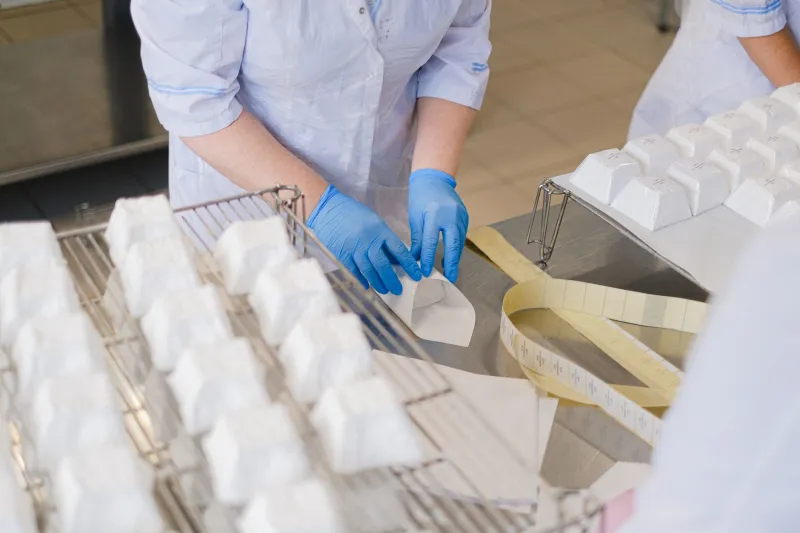
Modern industrial shrink wrap is not just a protective layer—it is increasingly a carrier of product information. Printed shrink films, applied labels, and integrated RFID-compatible wrapping systems allow businesses to encode product identification, lot numbers, handling instructions, and compliance certifications directly into the packaging.
For industries operating under strict traceability requirements—food processing, pharmaceuticals, and medical device manufacturing among them—this capability is operationally significant. A wrapped and labeled pallet that moves through a distribution network carries its own documentation. When a recall event occurs, or when a customer disputes a shipment, the traceability data embedded in or affixed to the packaging provides an auditable record.
The US Food Safety Modernization Act (FSMA) and similar regulatory frameworks have elevated traceability from a best practice to a legal obligation for many food and beverage operations. Shrink wrap that integrates with labeling and scanning infrastructure is a practical way to meet those obligations without building entirely separate tracking systems.
Theft Deterrence and Retail Shrink Reduction
For businesses that sell through retail channels, product shrink—the industry term for inventory loss from theft, not to be confused with the packaging process—is a persistent cost. Shrink-wrapped products are meaningfully harder to pilfer than loose or minimally packaged goods. The combination of tamper evidence and the physical inconvenience of removing wrap without detection deters opportunistic theft at both the retail and distribution center level.
For high-value items sold in club store formats—electronics accessories, health and beauty products, hardware bundles—shrink wrapping is standard practice precisely because it serves this deterrence function while also enabling the multi-unit bundling those retail formats require.
The Strategic Reframe: Wrap as Infrastructure, Not Afterthought
What these use cases share is a common theme: shrink wrap creates value at multiple points in the supply chain simultaneously. It protects product integrity. It improves handling efficiency. It carries information. It deters interference. It satisfies regulatory requirements. And it does all of this at a per-unit cost that, when evaluated against the costs it prevents, is almost always favorable.
The businesses that recognize this are making packaging decisions earlier in their product development and logistics planning cycles—not at the end, as an afterthought, but as a deliberate infrastructure choice that shapes how a product moves through the world.
At ShrinkWrap VB, we work with US manufacturers and distributors who are ready to treat packaging as a strategic function. The conversation about shrink wrap, when it starts in the right place, is not about aesthetics. It is about building a supply chain that performs reliably from the production floor to the end customer's hands.
That is a conversation worth having.